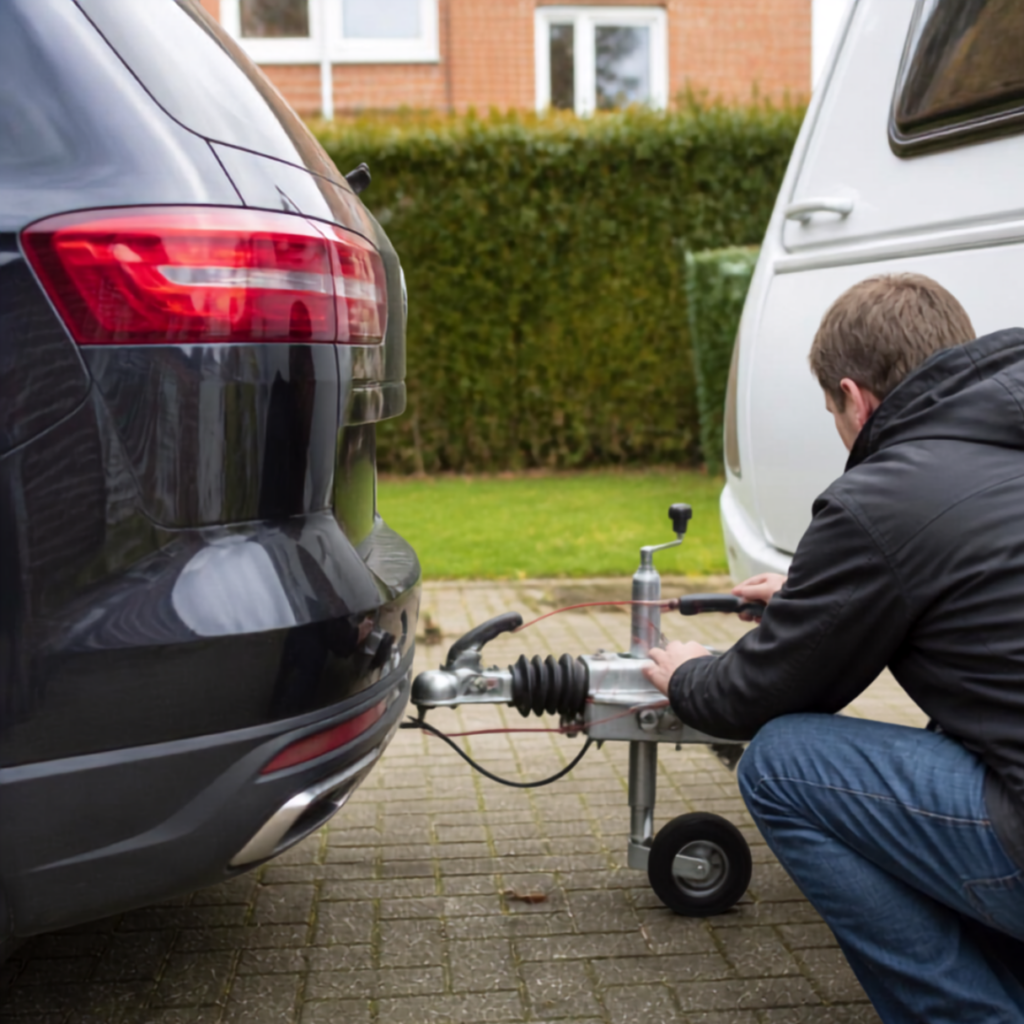
The Pre-Trip Caravan Checklist Most People Forget
Most caravan owners have a checklist, at least mentally: tyres, gas, water, lights. It’s the checklist beyond the obvious one that tends to catch people out — the items that don’t come to mind until something goes wrong on the road.
Why the obvious checklist isn’t the whole story
Tyres, gas, and water get checked because they’re the things that make a trip impossible if they’re wrong — you notice immediately if the gas is empty.
The items that actually cause problems tend to be quieter than that: small mechanical connections, things that only matter because the caravan has been standing still for weeks, and checks that don’t have an obvious “you’ll notice right away” consequence if skipped.
The checklist
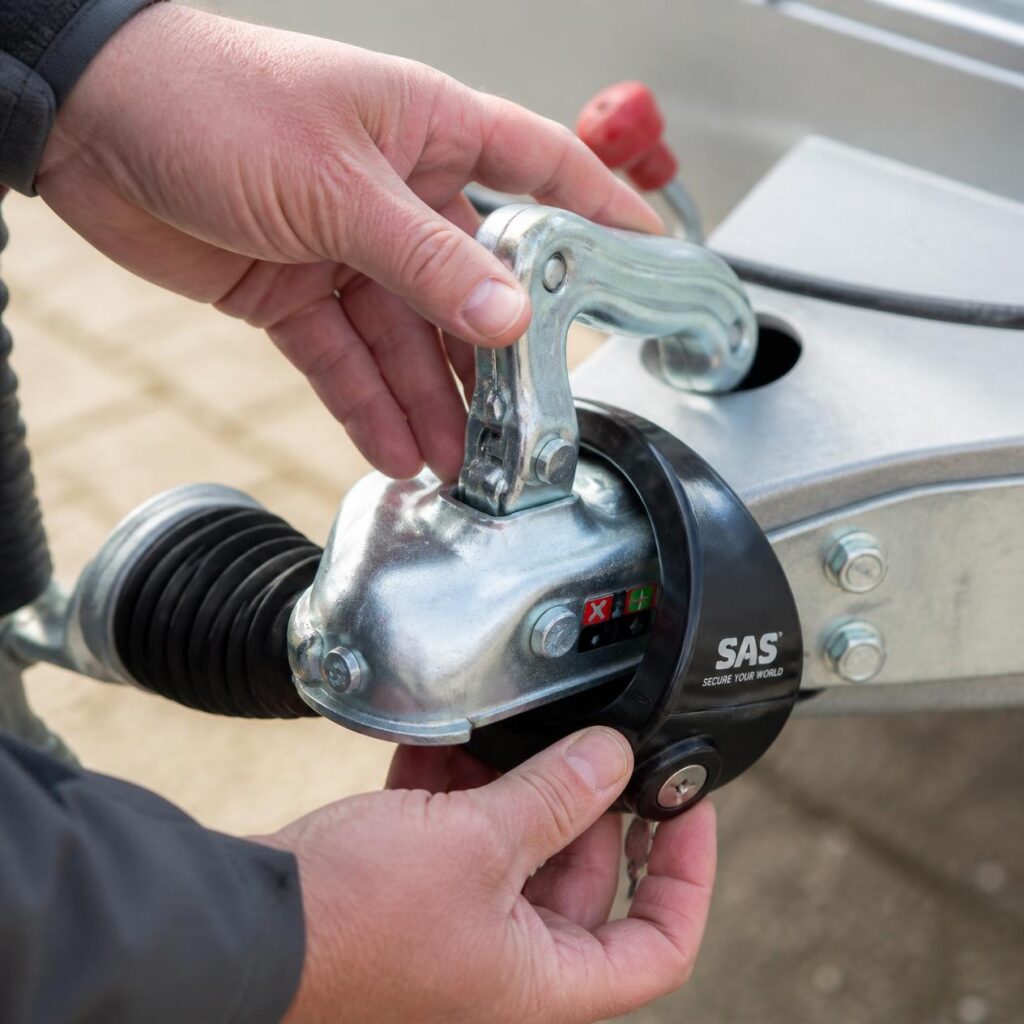
- Hitch and coupling lock. A coupling that isn’t fully locked down is one of the most serious failures possible, and one of the easiest to miss with a quick glance rather than a physical check. Test it with a firm tug, not just a look, every single time.
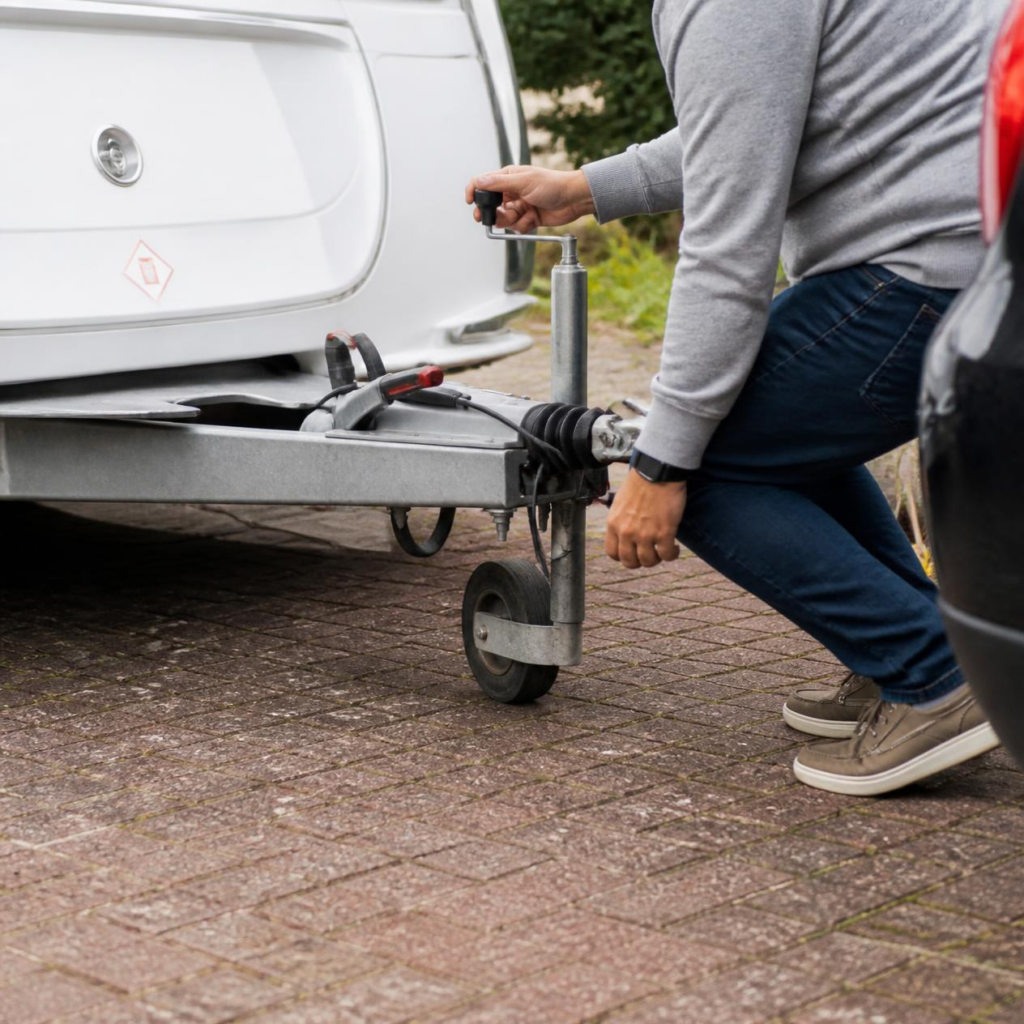
- Jockey wheel and corner steadies. Easy to forget because they only matter at the start and end of a trip — but a jockey wheel left partially down, or a corner steady not fully retracted, can do real damage the moment you pull away.
- Brake-away cable. This is the cable that triggers the caravan’s brakes automatically if it ever separates from the tow vehicle, and it’s routinely forgotten because it’s a small, easy-to-miss connection point.
- Mirror extensions. Standard car mirrors usually can’t see past a caravan’s width. Check the extensions are actually adjusted correctly before you pull off, not once you’re already merging onto the N3.
- Battery health. A caravan that’s been sitting for weeks or months can have a battery quietly discharged well below where you’d expect. A quick voltage check, or just switching on the interior lights before you leave, avoids finding out the hard way mid-trip.
- A quick seal check. Run a visual check around roof vents, hatches, and window seals before a trip, especially after the caravan’s been standing for a while. Catching a small crack before a trip beats finding it after a rainy one.
Why these specific checks matter most after standing idle
Almost every item on that list has the same underlying cause: time, not use.
A caravan driven every weekend rarely develops a slow battery drain, a dried-out seal, or a stiff coupling lock nobody’s tested lately — those problems build up during the stretches when the caravan isn’t moving at all.
That’s exactly why they’re easy to miss: nothing about looking at a parked caravan tells you a seal has quietly dried out or a battery has slowly drained.
The pattern here
That idle-time pattern is worth treating as the actual checklist principle, more than any single item on the list: the longer a caravan has been standing since its last trip, the more worth it becomes to run through these checks properly rather than glancing over them.
It’s a deliberate ritual, not a quick glance — the things that go wrong are usually the things that had time to go wrong quietly.